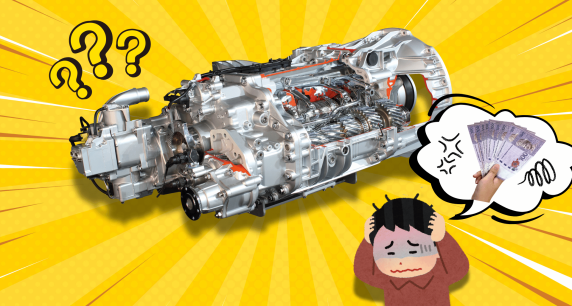
Why Modern Cars Have So Many Sensors (What Happens If One Fails)

Walk up to any modern vehicle, and beneath the sleek bodywork, you’ll find an intricate network of sensors quietly working together. From monitoring tire pressure to detecting pedestrians, these tiny electronic guardians play a massive role in how today’s cars drive, protect, and even think.
But why exactly do modern cars rely on so many sensors? And what happens if one of them stops doing its job?
- Safety
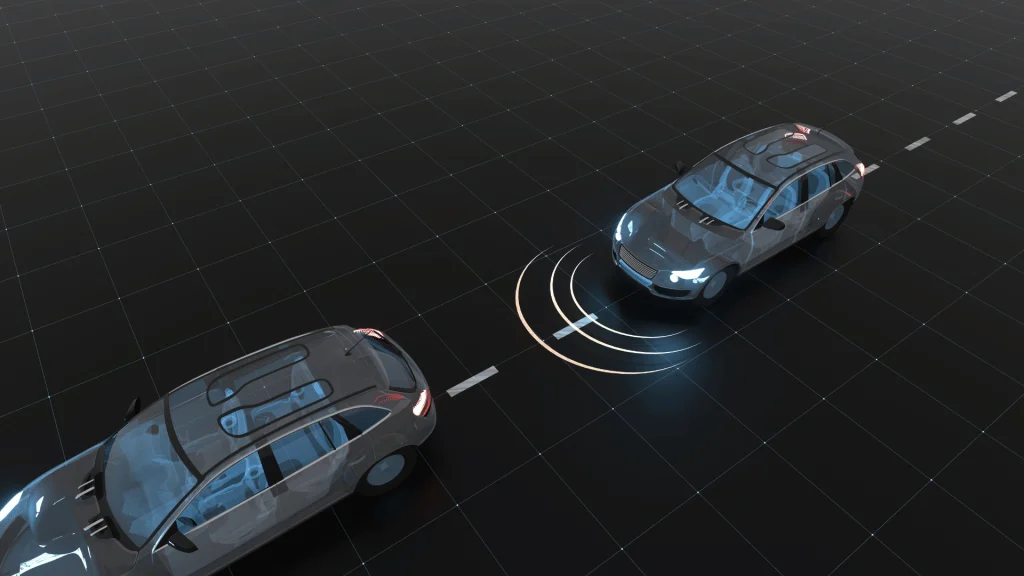
Modern safety systems like ABS, traction control, lane-keeping assist, and collision avoidance depend almost entirely on sensors. These sensors feed real-time data to the vehicle’s computer, which then makes lightning-fast decisions to keep drivers safe.
Examples of key safety sensors:
- ABS Wheel Speed Sensors — prevent wheel lock-ups
- Radar & Camera Sensors — used for adaptive cruise control
- Steering Angle Sensors — critical for stability control
- Airbag Impact Sensors — ensure airbags deploy properly
Without these, many lifesaving features simply wouldn’t exist.
- Performance & Efficiency
Engines today aren’t just mechanical, they’re smart. Multiple sensors measure air flow, fuel mixture, temperature, and exhaust content so the engine control unit (ECU) can fine-tune performance on the fly.
Common performance sensors include:
- Mass Air Flow (MAF) sensor
- Oxygen (O2) sensors
- Manifold Absolute Pressure (MAP) sensor
- Coolant and oil temperature sensors
These help maximize fuel economy, power, and emissions compliance.

- Comfort & Convenience Features
When you adjust your climate control, shift into reverse, or use your keyless entry, sensors are quietly at work.
Some examples:
- Parking sensors
- Cabin humidity sensors
- Key fob proximity sensors
- Rain-sensing wiper sensors
The more comfortable and high-tech a vehicle is, the more sensors it likely uses.
What Happens If a Sensor Fails?
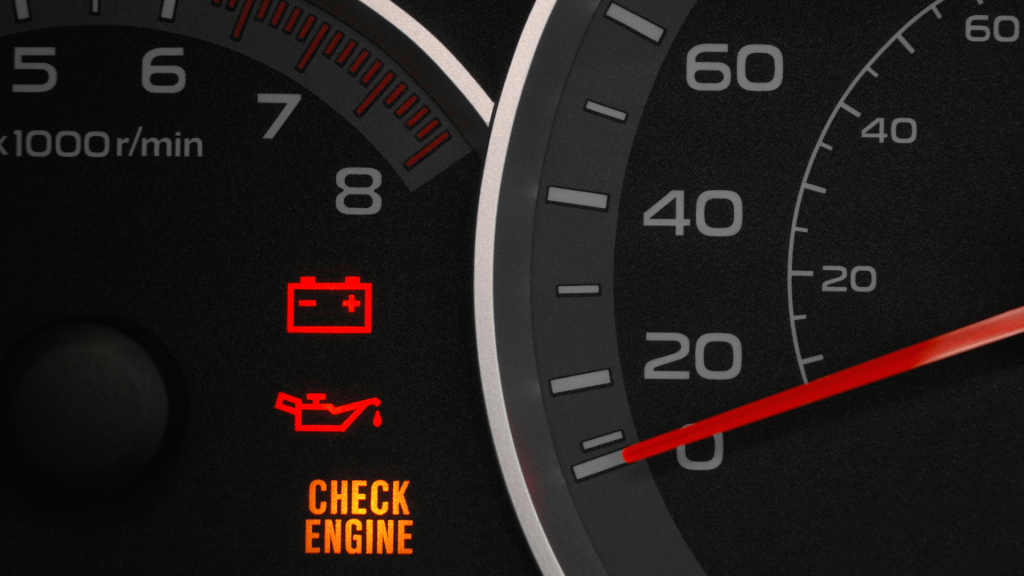
- Dash Warning Lights Will Appear
The most common first sign is a dashboard warning light, such as “Check Engine” , ABS, TPMS, or other system indicators.
- Certain Features May Stop Working
If a parking sensor fails, your parking assist might go offline. If an O2 sensor fails, the fuel mixture may become inefficient. Some failures are inconvenient; others are safety-related.
- Vehicle Performance May Decrease
Many cars enter a “limp mode” when a major sensor fails, limiting speed or power to protect the vehicle.
- Repairs Can Get Expensive
Sensors themselves can be pricey, and labor often involves dismantling interior or engine components. Modern cars rely so heavily on sensors that a single failure can trigger multiple system errors and higher repair costs.

How to Prevent Sensor Issues
- Stay on top of routine maintenance
- Keep electrical systems dry and protected
- Avoid ignoring dashboard lights
- Have warning codes scanned early
- Use quality replacement parts
Even with good care, sensors can fail due to age, heat, vibration, or software issues.

Why a GMR Warranty Makes a Difference
Sensor-related repairs can be some of the most common and costly issues in modern vehicles. A single failed sensor can cost hundreds to diagnose and replace… sometimes more if it affects safety or engine systems.
With a GMR warranty, you’re protected against unexpected repair bills caused by the electronic complexity of today’s vehicles.
Instead of stressing over a sudden Check Engine light or a failed ABS sensor, a GMR warranty helps ensure you stay on the road with confidence and without breaking your budget.